Audio Mixing for Live Broadcasts
Applying digital signal processing to ensure broadcast-quality voice and media playback.
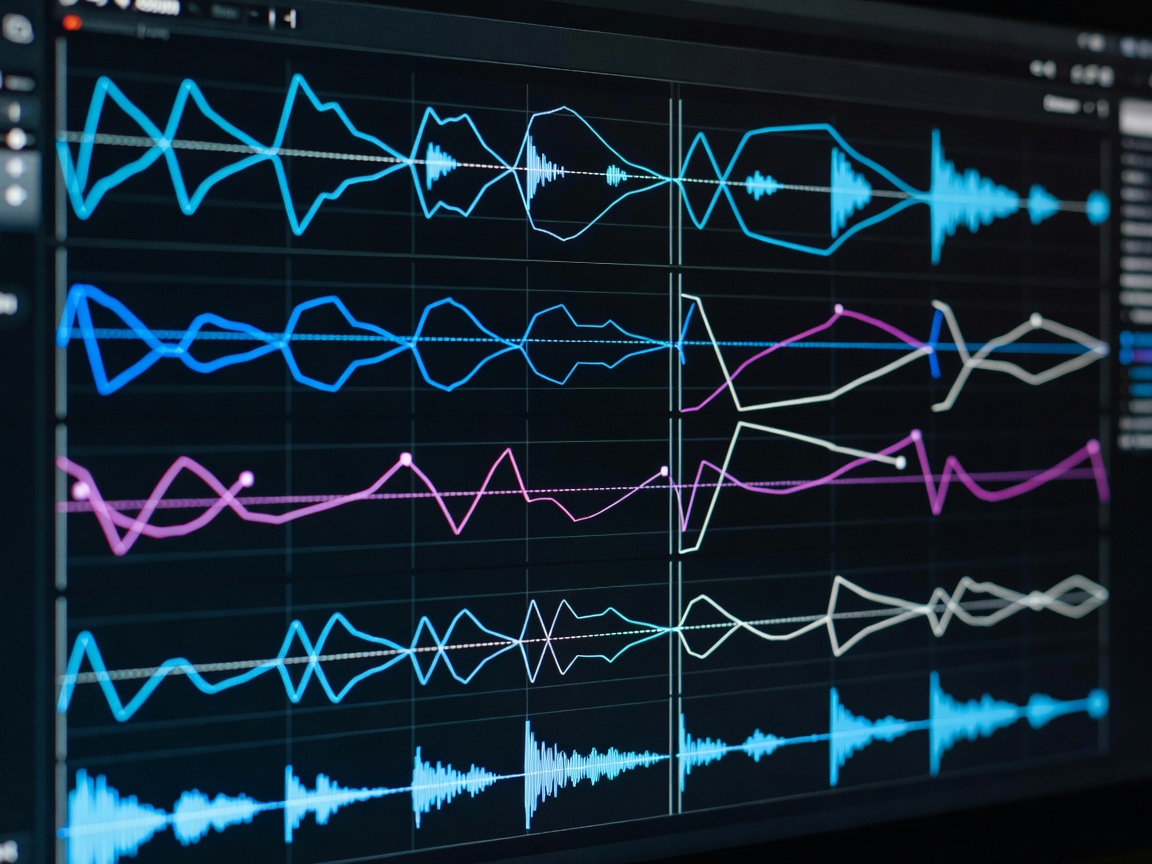
A flawless video feed paired with distorted, echoing, or unbalanced audio will rapidly drive viewers away. Audio engineering for live broadcasting requires real-time signal processing to ensure that human voices cut through background music or game sounds without clipping the digital ceiling. Unlike post-production, there are no second takes to fix a blown-out microphone signal.
Gain Staging and The Noise Floor
The foundation of clean audio is proper gain staging. Gain is the amount of amplification applied to a raw microphone signal before it enters the digital realm. The objective is to apply enough analog gain at the audio interface so that the digital signal rests comfortably around -12dB on your software mixer during normal speech. This leaves enough "headroom" to prevent digital clipping (distortion that occurs when the signal breaches 0dB) during sudden loud noises.
Simultaneously, broadcasters must manage the noise floor—the inherent hum of the room, PC fans, or electrical interference. Proper gain staging maximizes the signal-to-noise ratio, ensuring the voice is orders of magnitude louder than the room ambiance.
Digital Signal Processing (DSP) Filters
Once the signal enters the broadcasting software, it should pass through a chain of processing filters to polish the sound before transmission.
- Noise Gate / Expander: A noise gate mutes the microphone channel completely when the incoming volume falls below a set threshold. This ensures absolute silence during pauses in speech. Expanders act similarly but reduce the volume rather than cutting it completely, resulting in a more natural ambient sound transition.
- Equalization (EQ): EQ allows broadcasters to sculpt specific frequency ranges. A standard broadcast practice is applying a High-Pass Filter (HPF) around 80Hz to eliminate low-frequency rumble (like air conditioning or desk bumps) that contains no useful vocal information. Slight boosts in the upper mid-range (around 3kHz-5kHz) can enhance vocal clarity and presence.
- Compression: Human speech is highly dynamic; whispers and shouts occupy entirely different volume levels. A compressor automatically reduces the volume of the loudest peaks while allowing quieter moments to pass untouched. This creates a denser, more consistent "radio voice" that sits well over background audio tracks.
- Limiter: Placed at the very end of the audio chain, a limiter acts as an absolute brick wall, preventing any audio signal from exceeding a set limit (e.g., -1dB). This provides ultimate protection against sudden digital distortion ruining the broadcast.
Monitoring and Sync
Mixing audio without proper monitoring is flying blind. Broadcasters must monitor their audio feeds through closed-back headphones, ensuring that the live microphone feed does not leak back into the earcup and cause a feedback loop. Furthermore, because video processing generally takes longer than audio processing, the microphone signal often requires a delay offset (typically 50-200 milliseconds) to maintain perfect lip-sync with the camera feed.
By enforcing strict gain structures and applying systematic DSP chains, a live broadcast can achieve a commanding, articulate audio presence that matches the fidelity of professional radio and television.